Is electricity near the water actually safe?
Spa circuits use specialized GFCI protection, grounding, bonding, approved wiring methods, and equipment clearances designed for wet environments.
Hot Tub & Sauna Electrical • Reno & Sparks
Whether you're adding a backyard hot tub, traditional sauna, or infrared sauna, Surge Electric provides the dedicated circuit and required safety equipment to get it powered correctly.
Licensed Nevada Contractor • Bonded • Insured • Owner Operated
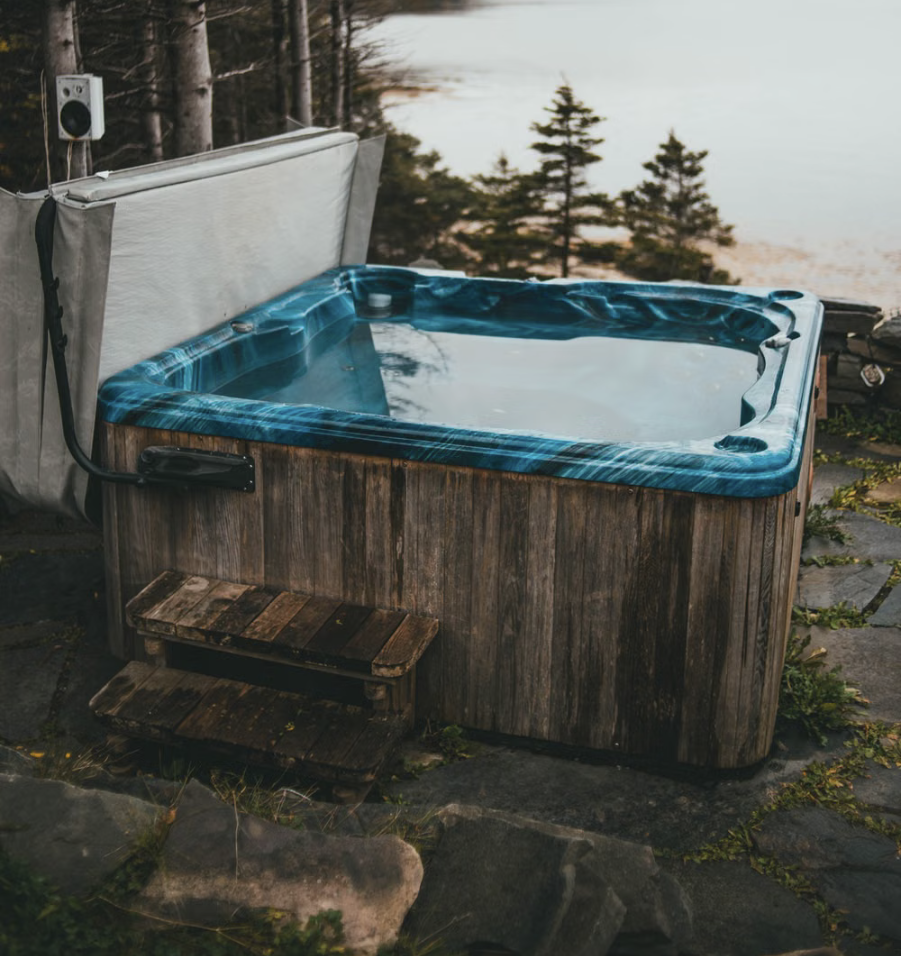
Equipment-Specific Planning
Every hot tub and sauna is different. The correct electrical setup depends on the equipment nameplate, heater size, pumps, controls, voltage, location, and manufacturer instructions.
We review the equipment requirements, confirm your panel has enough capacity, and plan the safest route before recommending the circuit, disconnect, bonding, conduit, or trenching work.
Straight Answers Before Installation
We explain safety, panel capacity, equipment placement, trenching, and likely costs before work begins.
Spa circuits use specialized GFCI protection, grounding, bonding, approved wiring methods, and equipment clearances designed for wet environments.
It provides an accessible shutoff for emergency use and servicing while keeping electrical controls safely away from the water.
Not automatically. We review the existing home load, panel space, equipment rating, and future plans before recommending service work.
The route may use attic, crawlspace, exterior conduit, or underground conduit with a clearly defined trenching scope.
Only for equipment specifically listed for that connection. Plug-and-play spas still commonly require a dedicated, properly protected circuit.
Distance, conductor size, trenching, hardscape, access, panel capacity, bonding, disconnect equipment, and required corrections can affect pricing.
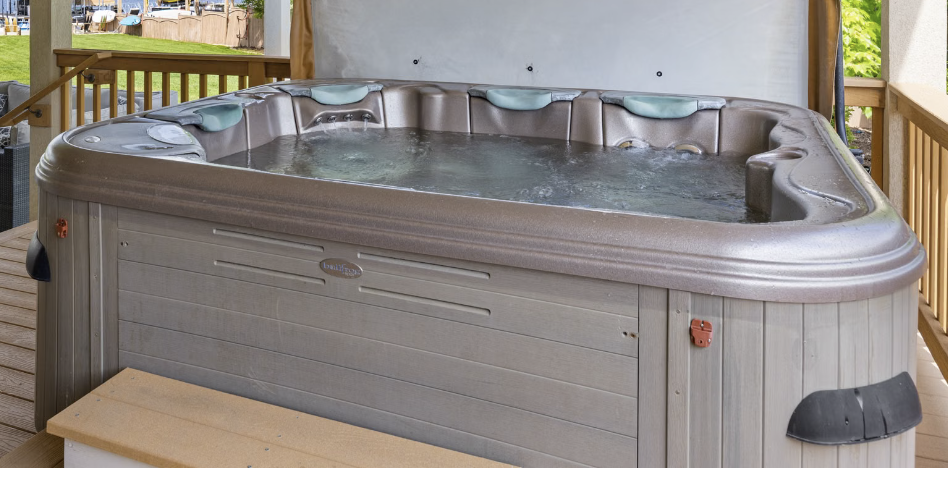
Hot Tub Electrical Installation
A dependable installation starts with the exact equipment requirements and a clear path for getting power to the hot tub.
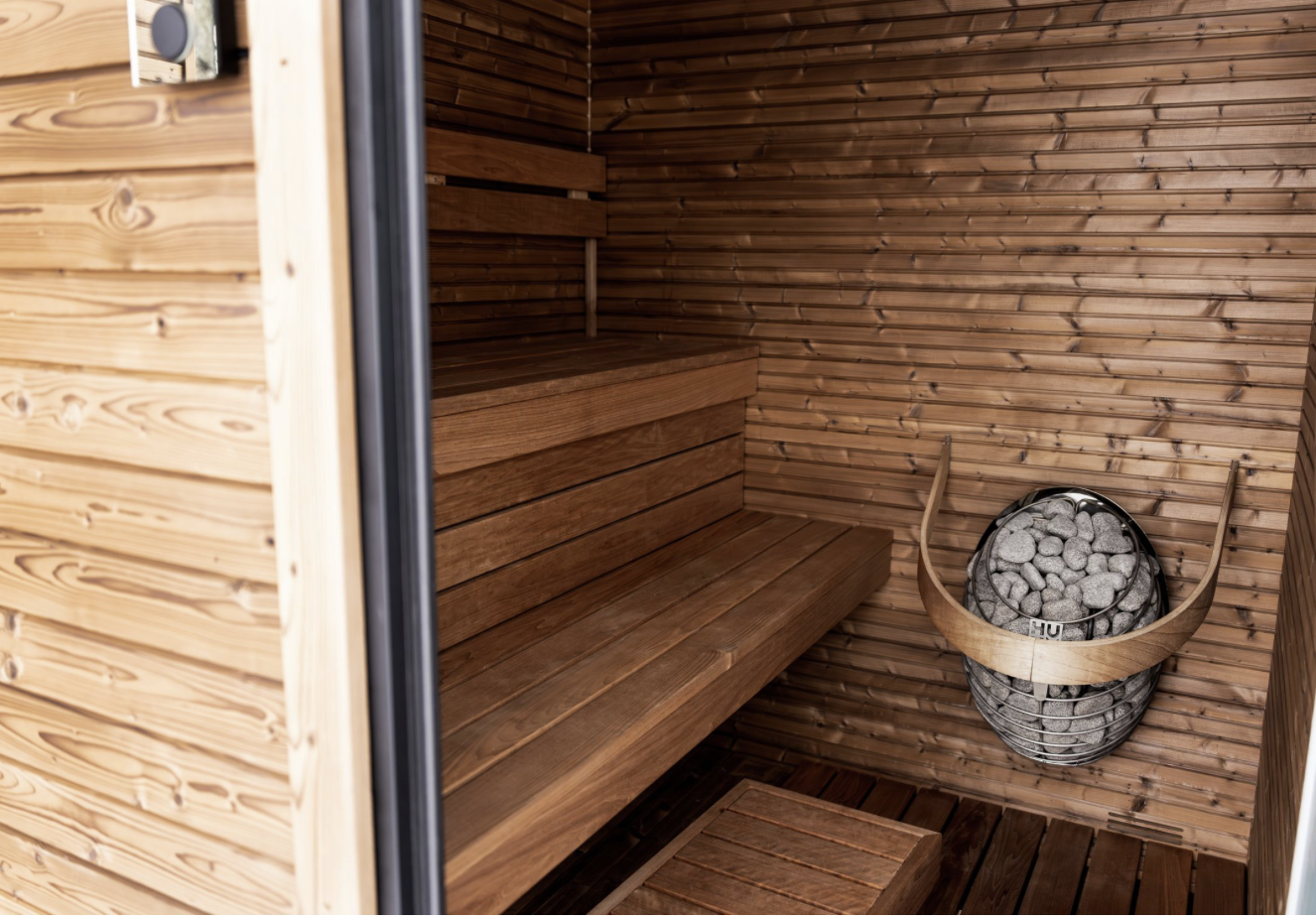
Sauna Electrical Installation
Sauna requirements depend on the heater, controls, room size, and manufacturer. We review the exact equipment before sizing the circuit or planning the controls and disconnect.
Spa Electrical Safety
Detects ground-fault current and disconnects power quickly when a fault occurs.
Connects applicable conductive parts to reduce hazardous voltage differences around the spa area.
Provides an accessible way to shut off equipment for service and emergency response.
Conductors, conduit, fittings, enclosures, and equipment must be appropriate for the location.
What to Expect
Send the model, nameplate, electrical panel, proposed location, route, access, and installation drawings.
We verify circuit requirements, panel capacity, disconnect placement, bonding, conduit, and trenching needs.
Your proposal identifies electrical work, trenching, restoration, equipment connection, assumptions, and exclusions.
We complete the circuit and equipment connection and coordinate permit or inspection requirements when applicable.
Hot Tub & Sauna Questions
Yes, when the installation is designed specifically for a spa environment. Hot tubs require the correct GFCI protection, grounding, bonding where required, approved wiring methods, proper clearances, and manufacturer-compliant connections.
The disconnect allows the spa equipment to be shut off quickly and serviced safely without returning to the home's main panel. Its location depends on the equipment, adopted electrical code, and site layout.
Only if the hot tub is specifically listed as a 120-volt plug-and-play model and the receptacle and circuit meet the manufacturer's instructions. Even smaller spas commonly need a dedicated circuit.
No. Many common models use a 240-volt 50-amp circuit, but some require 40, 60, or another rating. The correct circuit comes from the actual equipment nameplate and installation manual.
Not automatically. We review your existing service size, available breaker space, dwelling load, equipment requirements, and future plans before recommending a panel or service upgrade.
It depends on the exact sauna and heater. Many traditional heaters use a dedicated 240-volt circuit, while smaller infrared saunas may use a lower-amperage 120- or 240-volt circuit.
No. Saunas still require correct circuit sizing, controls, clearances, and manufacturer-compliant wiring, but they do not automatically have the same water-related bonding and spa-disconnect requirements as hot tubs.
The route may use an attic, crawlspace, exterior conduit, or underground conduit. We review the property and explain the proposed route before work begins.
Trenching may be included, excluded, or priced separately depending on distance, soil, access, irrigation, concrete, pavers, and landscaping. The written proposal explains who is responsible for excavation and restoration.
Operating cost depends on climate, water temperature, insulation, cover quality, tub size, pump operation, equipment efficiency, use, and current utility rates. A well-insulated spa with a fitted cover generally uses less energy.
Possible causes include moisture, a heater or pump problem, damaged wiring, incorrect neutral routing, loose connections, or a failing GFCI device. Repeatedly resetting the breaker does not correct the underlying problem.
When permits and inspections are required, Surge Electric handles the contractor-side process and identifies the applicable requirements in the proposal.
Send photos of the electrical panel and main breaker, equipment nameplate, proposed hot tub or sauna location, the route between the panel and equipment, and any area that may require conduit or trenching.
Local Service Area
Request an Installation Estimate
Upload the equipment nameplate, electrical panel, proposed location, and photos showing the route between them. We'll review the project and explain the next step.
Business hours: Monday–Friday, 8:00 AM–5:30 PM