Burning odor or visible smoke
Stop using the affected equipment or circuit and call for help.
Electrical Troubleshooting • Reno & Sparks
Surge Electric diagnoses breaker trips, dead outlets, flickering lights, partial power, burning smells, buzzing panels, warm switches, GFCI problems, and other residential electrical issues.
Licensed Nevada Contractor • Bonded • Insured • Owner Operated
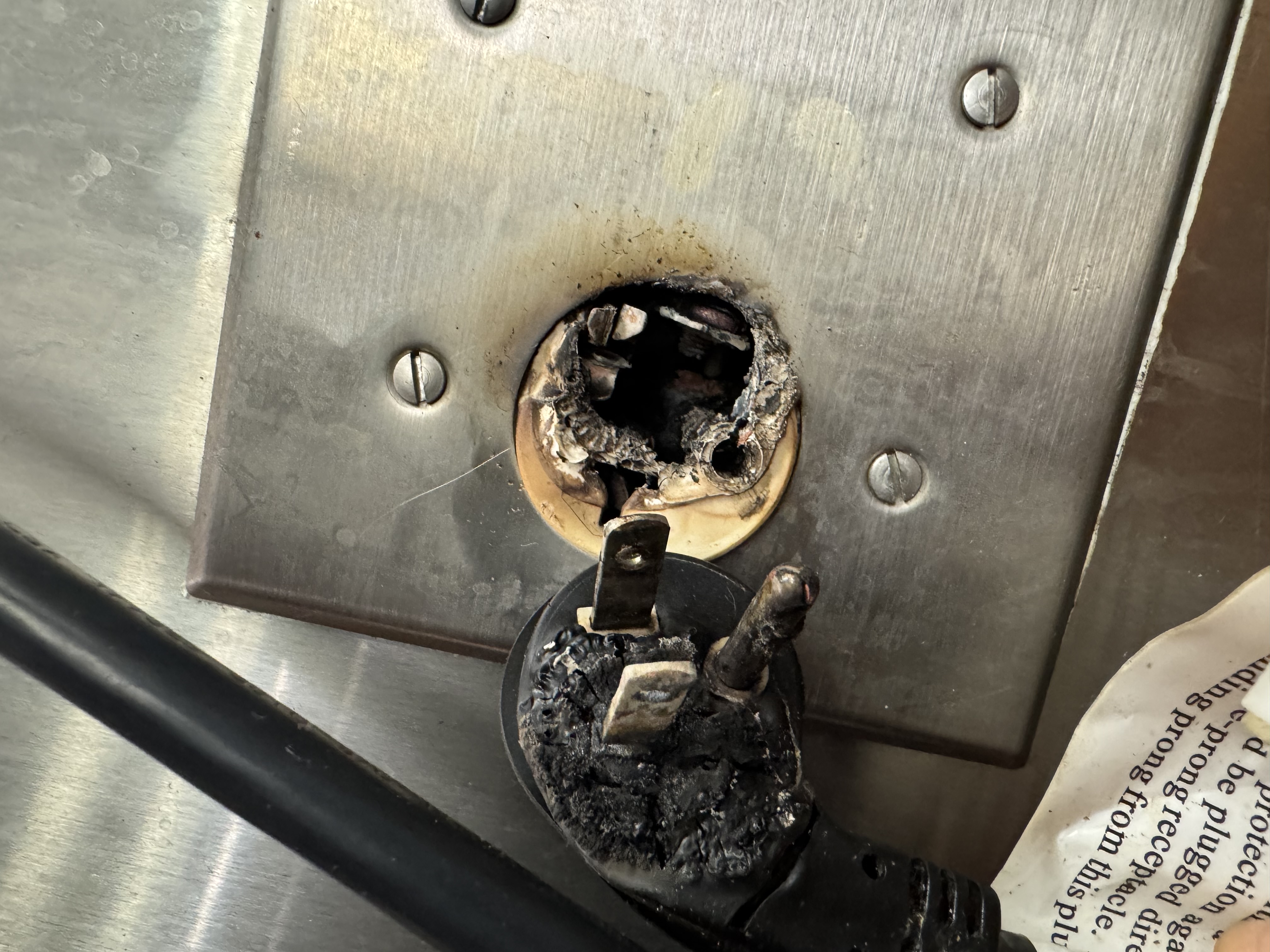
Potential Electrical Hazard
Stop using the affected equipment or circuit and call for help.
Do not continue plugging devices into an outlet showing heat damage.
Persistent electrical noise can indicate a failing connection or equipment problem.
Unexpected heat deserves prompt evaluation, especially with odor or discoloration.
Stop using the affected device and keep others away from the area.
Sudden voltage changes across multiple rooms may indicate a service or neutral problem.
Smoke, active fire, or an immediate threat to life requires emergency services. Surge Electric provides daytime electrical service and diagnostics during normal business hours.
Diagnosis Before Replacement
A tripping breaker does not automatically mean the breaker is bad. A dead outlet does not always mean the outlet itself failed. The visible symptom may be caused by another device, a loose connection, damaged wiring, an overloaded circuit, or equipment farther upstream.
Troubleshooting is the process of testing the affected circuit, narrowing down the possibilities, and locating the actual cause before parts or equipment are replaced.
Common Electrical Problems
The same symptom can have several possible causes. Testing helps separate a simple device failure from a larger wiring, circuit, or service problem.
We evaluate circuit loading, connected equipment, wiring faults, breaker condition, and the circumstances that cause the trip.
We trace the affected circuit and test GFCIs, receptacles, switches, splices, breakers, and upstream connections.
We look at lamps, fixtures, switches, dimmer compatibility, connections, circuit loading, and voltage behavior.
We inspect for loose connections, overheating, damaged devices, failing insulation, excessive load, and visible heat damage.
Partial power can involve a branch circuit, panel connection, service conductor, neutral, utility issue, or multiple overlapping problems.
We evaluate panel condition, breaker performance, visible damage, service symptoms, capacity, and whether repair or replacement is appropriate.
How Troubleshooting Works
We ask what happened, when it started, what equipment was in use, and whether the problem is constant or intermittent.
Testing may include the panel, breaker, devices, voltage, continuity, GFCI or AFCI protection, and accessible connections.
We narrow the problem to the appliance, device, connection, wiring, breaker, panel, service, or utility side whenever possible.
Once the issue is identified, we explain the recommended repair, available options, and whether additional work or a return visit is needed.
Diagnostic Service
With a known project, the scope is visible before work begins. With troubleshooting, the time and repair cannot always be known until the circuit is tested and the fault is located.
Covers travel, scheduling, and arrival at the property. It is separate from diagnostic labor and repair work.
Covers the time spent testing, tracing, opening accessible equipment, and identifying the cause of the problem.
Once the problem is identified, we explain the repair and any additional labor or materials before proceeding when practical.
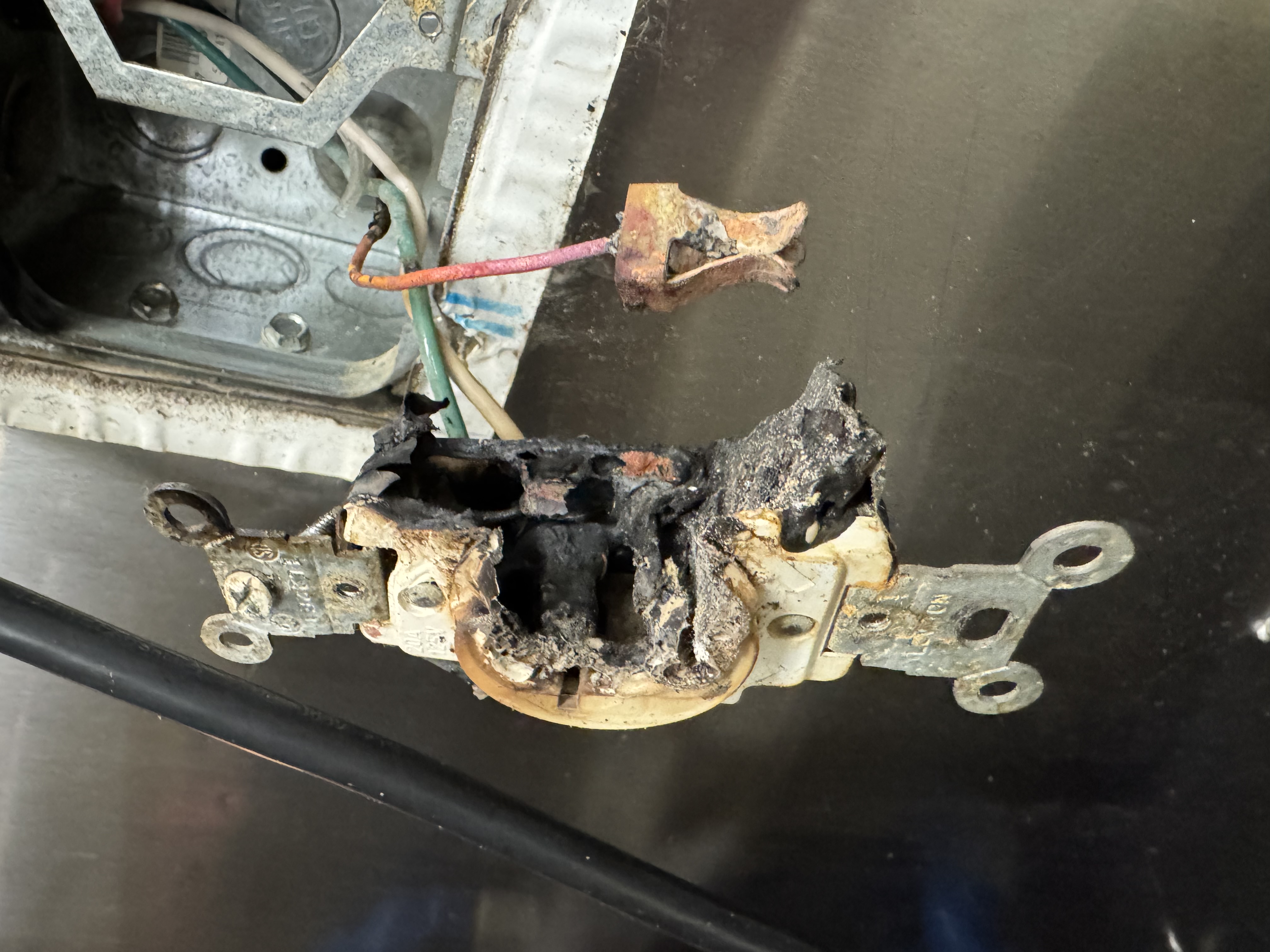
Helpful Information Before We Arrive
You do not need to diagnose the electrical system yourself. Simply describe what you observed and upload clear photos when it is safe to do so.
Troubleshooting Questions
A breaker may trip because the circuit is overloaded, an appliance is malfunctioning, a connection is loose, or a short circuit or ground fault is present. The breaker is reacting to a condition on the circuit, so repeatedly resetting it does not correct the underlying cause.
A breaker that trips immediately may be detecting an active fault, damaged wiring, a failed device, or a problem with connected equipment. Leave the breaker off and have the circuit diagnosed rather than repeatedly attempting to reset it.
The cause may be a tripped GFCI device, a loose connection, a failed receptacle, a damaged circuit, or a breaker problem. Because one failed connection can affect multiple downstream outlets, the first dead outlet is not always where the problem began.
Brief dimming can be related to a large appliance starting, but repeated or severe flickering may also indicate a loose connection, an overloaded circuit, voltage fluctuation, or a service-related problem. The pattern and number of affected rooms help narrow down the cause.
Unexpected heat can be a warning sign of a loose connection, overloaded device, failing switch or receptacle, or another electrical problem. Stop using the affected device and have it evaluated, especially if you also notice discoloration, odor, buzzing, or damaged plastic.
Electrical panels should not produce persistent loud buzzing, crackling, or repeated clicking. These sounds may involve a loose connection, damaged breaker, arcing, equipment vibration, or another issue that should be inspected promptly.
Random brightening and dimming across multiple areas can indicate a loose service connection, neutral problem, utility issue, or another voltage-related condition. Because unusual voltage can damage equipment, this symptom deserves prompt attention.
Yes. A failing microwave, space heater, refrigerator, air conditioner, or other appliance can draw excessive current or develop an internal fault. Troubleshooting helps separate an appliance problem from a branch-circuit or panel problem.
Many electrical problems can be repaired without replacing the entire panel. A panel replacement may be recommended when the equipment is damaged, obsolete, unsafe, undersized, no longer serviceable, or creating insurance or inspection concerns. We diagnose the actual problem before recommending replacement.
Sometimes, but the correct solution depends on whether an equipment-grounding path is present and what protection is required. Simply installing a three-prong receptacle does not create a ground. The existing wiring must be evaluated before choosing the proper option.
Troubleshooting focuses on a specific symptom, such as a dead circuit, tripping breaker, flickering lights, or burning smell. An inspection is broader and reviews the general condition of multiple parts of the electrical system.
Some problems are identified quickly, while intermittent faults, concealed junctions, shared circuits, damaged wiring, or multiple contributing issues can take longer. The time depends on access, circuit complexity, and whether the problem is actively occurring during the appointment.
Many common problems can be repaired during the diagnostic visit when the cause is identified and the required materials and access are available. Larger repairs, concealed damage, panel work, or work requiring permits may need a separate written scope and return visit.
A sudden increase may come from utility rates, weather, heating or cooling use, water heating, a malfunctioning appliance, or equipment running longer than normal. Electrical troubleshooting can help when there is reason to suspect a circuit, appliance, or electrical fault, but billing and meter concerns may also require utility review.
Local Service Area
Schedule Electrical Troubleshooting
If you are dealing with breaker trips, burning smells, partial power, buzzing, flickering lights, or outlets that stopped working, call to schedule a diagnostic service visit. We will identify the cause before recommending the repair.
Business hours: Monday–Friday, 8:00 AM–5:30 PM