Will I need an expensive panel upgrade?
Not necessarily. We compare the home load, charger output, available panel space, and load-management options before recommending service work.
EV Charger Installation • Reno & Sparks
Surge Electric installs Level 2 home chargers for Tesla, Ford, Rivian, GM, ChargePoint, Emporia, Wallbox, and other major charging systems throughout Reno, Sparks, and Washoe County.
Licensed Nevada Contractor • Bonded • Insured • Owner Operated
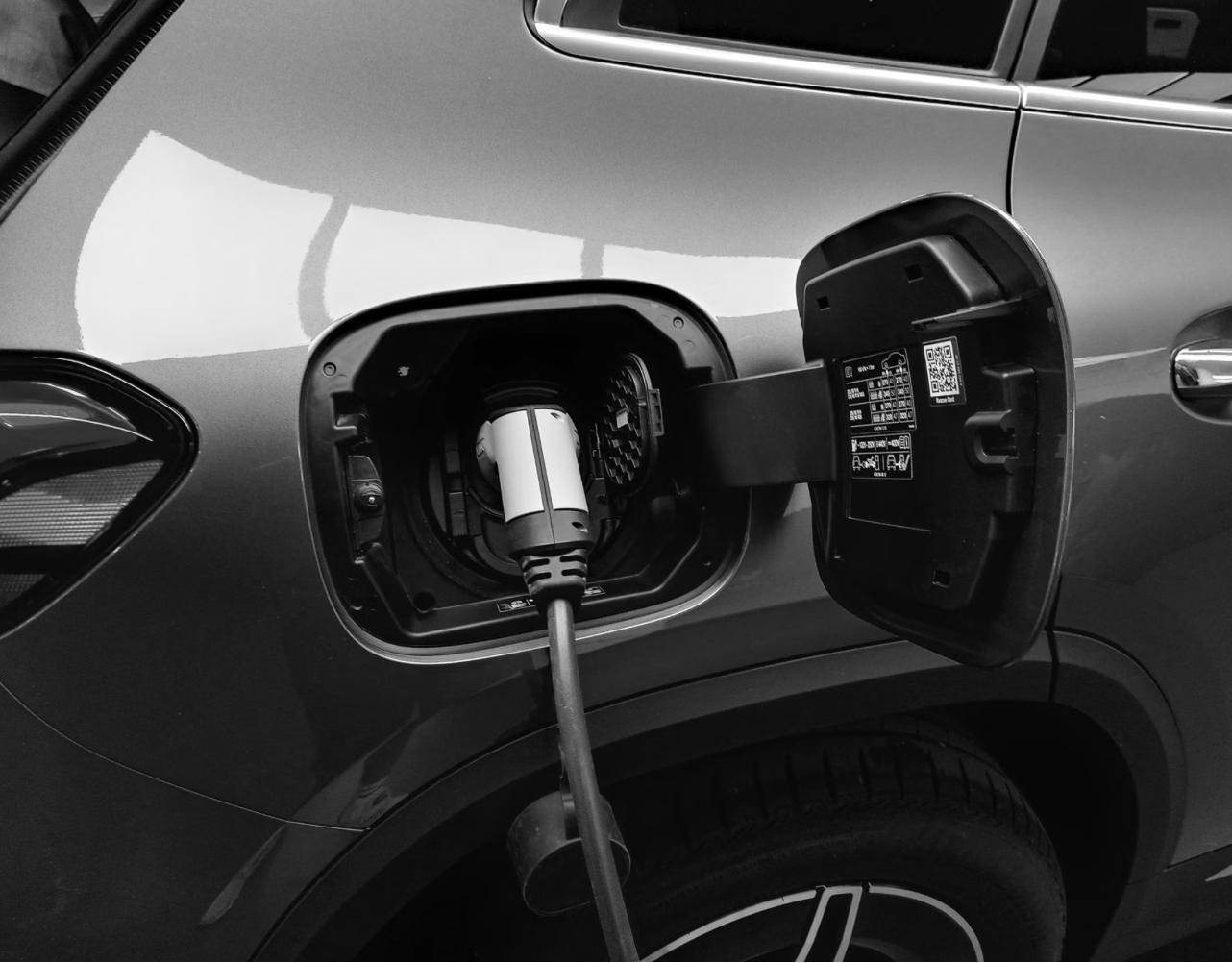
Capacity Before Costly Upgrades
Installing a Level 2 charger does not automatically require a 200-amp service upgrade. We review your panel, calculated load, available breaker space, charger output, vehicle charging limit, and daily driving needs first.
When full-output charging is not practical, a lower charger setting or approved load-management solution may provide dependable home charging without replacing otherwise serviceable equipment.
Straight Answers Before Installation
Charging equipment can feel technical. We make the electrical capacity, routing, charging speed, equipment choices, and likely costs easier to understand before work begins.
Not necessarily. We compare the home load, charger output, available panel space, and load-management options before recommending service work.
Long wire runs, finished walls, trenching, difficult access, larger conductors, panel corrections, permits, and equipment mounting can affect pricing. We identify these items in the scope.
Maximum output is not always necessary. Your daily mileage, overnight charging window, and vehicle onboard charger determine the practical circuit size.
We explain the output, outdoor-use, receptacle, GFCI, portability, and connection differences so you can choose the setup that fits your home.
We plan around the charge-port side of the vehicle, cable reach, garage or driveway use, trip hazards, conduit appearance, and future vehicles.
EV charging requires a properly sized dedicated circuit, compatible equipment, secure terminations, commissioning, and code-compliant installation.
Level 1 vs. Level 2
Uses a standard 120-volt connection and is best for light daily driving, plug-in hybrids, or long overnight charging windows.
Slower charging • Minimal electrical work in some homesUses a dedicated 240-volt circuit and can restore substantially more range overnight. Output is selected around the vehicle and home capacity.
Faster charging • Dedicated circuit • Flexible output
What We Review
We evaluate the full charging path so the installation works for the vehicle, the home, and the way the parking space is actually used.
What to Expect
Send the panel, parking area, desired charger wall, electrical route, and charger model.
We review load, breaker space, circuit size, access, conductor path, and equipment requirements.
You receive a clear scope with known assumptions, exclusions, routing, and applicable capacity options.
We install the dedicated circuit, mount or connect the charger, configure compatible equipment, and coordinate inspection when required.
Charger Compatibility
EV Charger Questions
The main cost drivers are the distance from the electrical panel, conductor size, charger amperage, wall and attic or crawlspace access, conduit routing, panel capacity, permit requirements, and whether the charger is hardwired or receptacle-fed. We review panel and installation-area photos first so the estimate reflects the actual route instead of hiding likely add-ons.
Not every home needs a panel upgrade. We review the service rating, panel space, existing electrical loads, charger output, and vehicle requirements. When capacity is limited, options may include reducing charger output, installing approved load-management equipment, adding a subpanel for space, or upgrading the service when truly necessary.
EV charging is a long-duration electrical load, so conductor size, breaker size, terminations, charger settings, and equipment ratings must all match. A properly designed dedicated circuit and commissioned charger should operate without nuisance tripping or overheating under normal conditions.
Level 1 typically uses a standard 120-volt outlet and charges slowly. Level 2 uses a dedicated 240-volt circuit and generally adds substantially more range per hour. Actual charging speed depends on the charger output and the vehicle's onboard charging limit.
Hardwired chargers are often preferred for outdoor installations, higher charging output, fewer connection points, and a cleaner permanent installation. A NEMA 14-50 outlet can offer equipment flexibility, but the receptacle, enclosure, GFCI requirements, charger cord, and maximum continuous load must all be considered.
The best location keeps the charging cable from crossing walkways or drive paths, reaches the vehicle charge port comfortably, protects the equipment from impact, and allows a practical electrical route from the panel. We ask which side of the vehicle contains the charge port before finalizing placement.
Yes, when the charger and installation method are listed for the location. Outdoor equipment, fittings, conduit, mounting, and weather exposure must be considered. The specific charger manufacturer's installation instructions determine where and how it may be mounted.
Charging speed varies by circuit size, charger output, vehicle onboard charger, battery state, and temperature. Many Level 2 systems add roughly 10 to 30 or more miles of range per hour, while some compatible 48-amp systems can add more. We size the installation around the vehicle and the charging speed you actually need.
No. A charger can often be configured for a lower output when the vehicle, daily driving, or available home capacity does not require the maximum setting. We compare 20-, 30-, 40-, 50-, and 60-amp circuit options where compatible with the selected equipment.
Sometimes. Approved energy-management or load-shedding equipment can reduce or pause EV charging when the home is using other major loads. It can be a practical alternative when the existing service is otherwise in good condition but lacks enough calculated capacity for unrestricted charging.
When a permit and inspection are required, Surge Electric handles the contractor-side process and includes the applicable scope in the proposal. Requirements depend on the installation type and jurisdiction.
Programs change and eligibility depends on the installation date, charger, customer, tax rules, and sometimes the property's census tract. NV Energy currently offers managed-charging incentives for eligible customers, and a federal refueling-property credit may apply to qualifying installations placed in service within the applicable period. Customers should verify current eligibility before relying on an incentive.
Rebates and Charging Programs
NV Energy offers managed-charging incentives for eligible residential customers, and federal tax treatment may apply to some qualifying charger installations. Program rules, dates, qualifying locations, and documentation requirements change.
Surge Electric can provide the electrical invoice and installation documentation, but eligibility should be confirmed directly with NV Energy, the IRS, or a qualified tax professional.
Local Service Area
Request an EV Charger Estimate
Upload photos of the electrical panel, main breaker, proposed charger wall, parking location, and route between them. We'll review the project and explain the next step.
Business hours: Monday–Friday, 8:00 AM–5:30 PM