Do you replace bathroom exhaust fans?
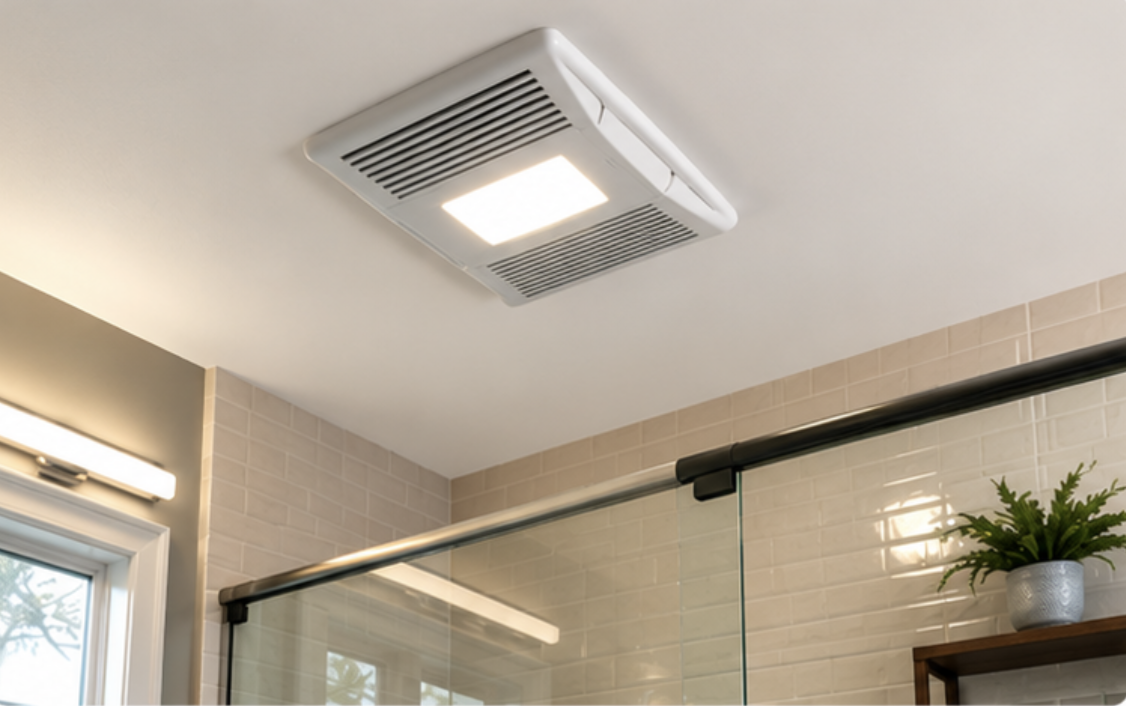
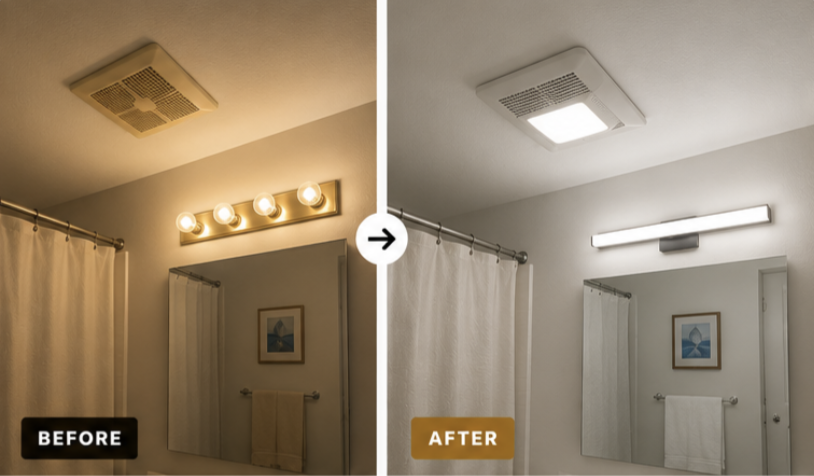
Yes. We replace standard bathroom exhaust fans, quieter upgrade models, and compatible fan-and-light combination units. The existing housing, opening, ducting, wiring, and ceiling access must be reviewed because bathroom fan replacements are not always a direct one-for-one fit.
Can you replace several fans and fixtures throughout my home?
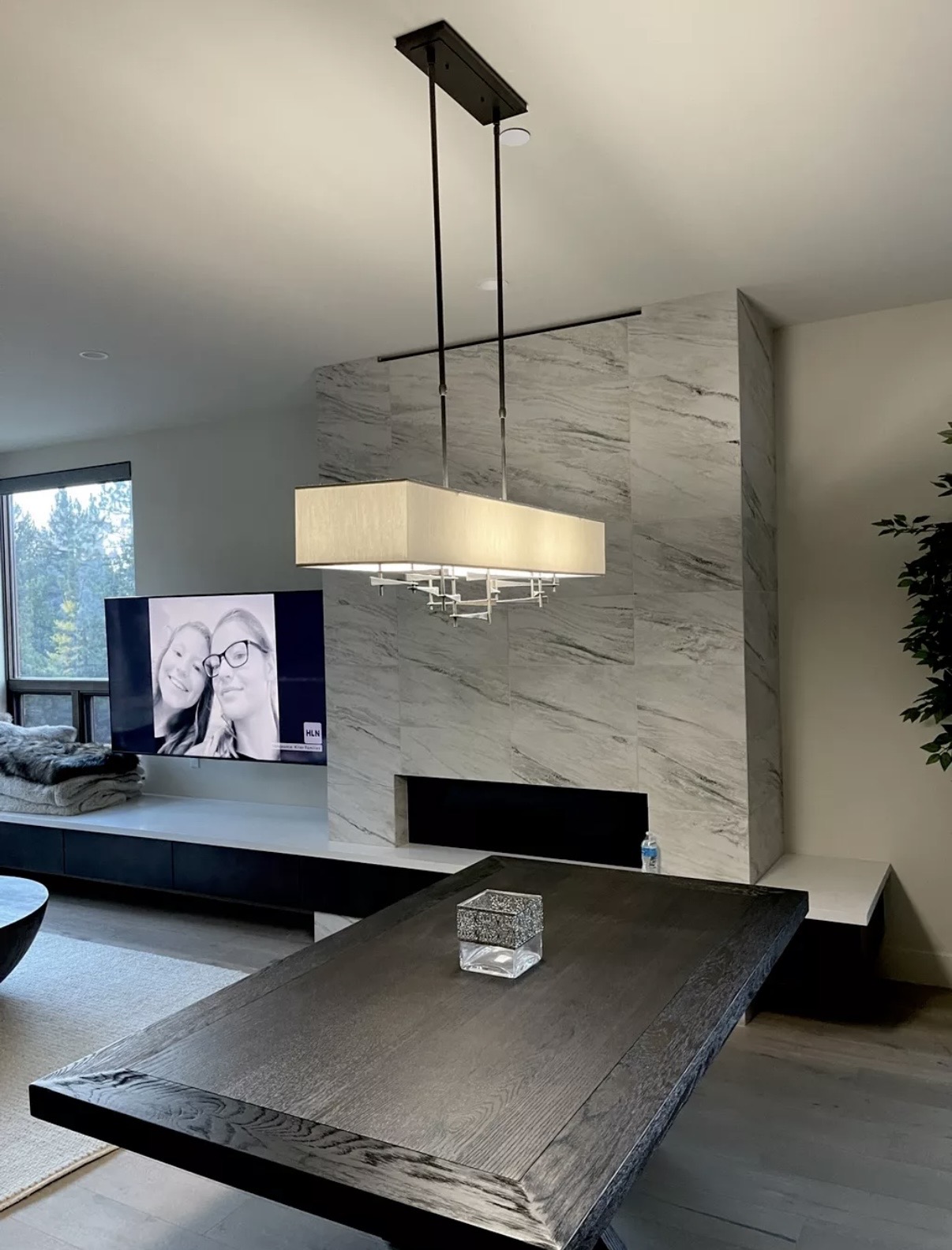
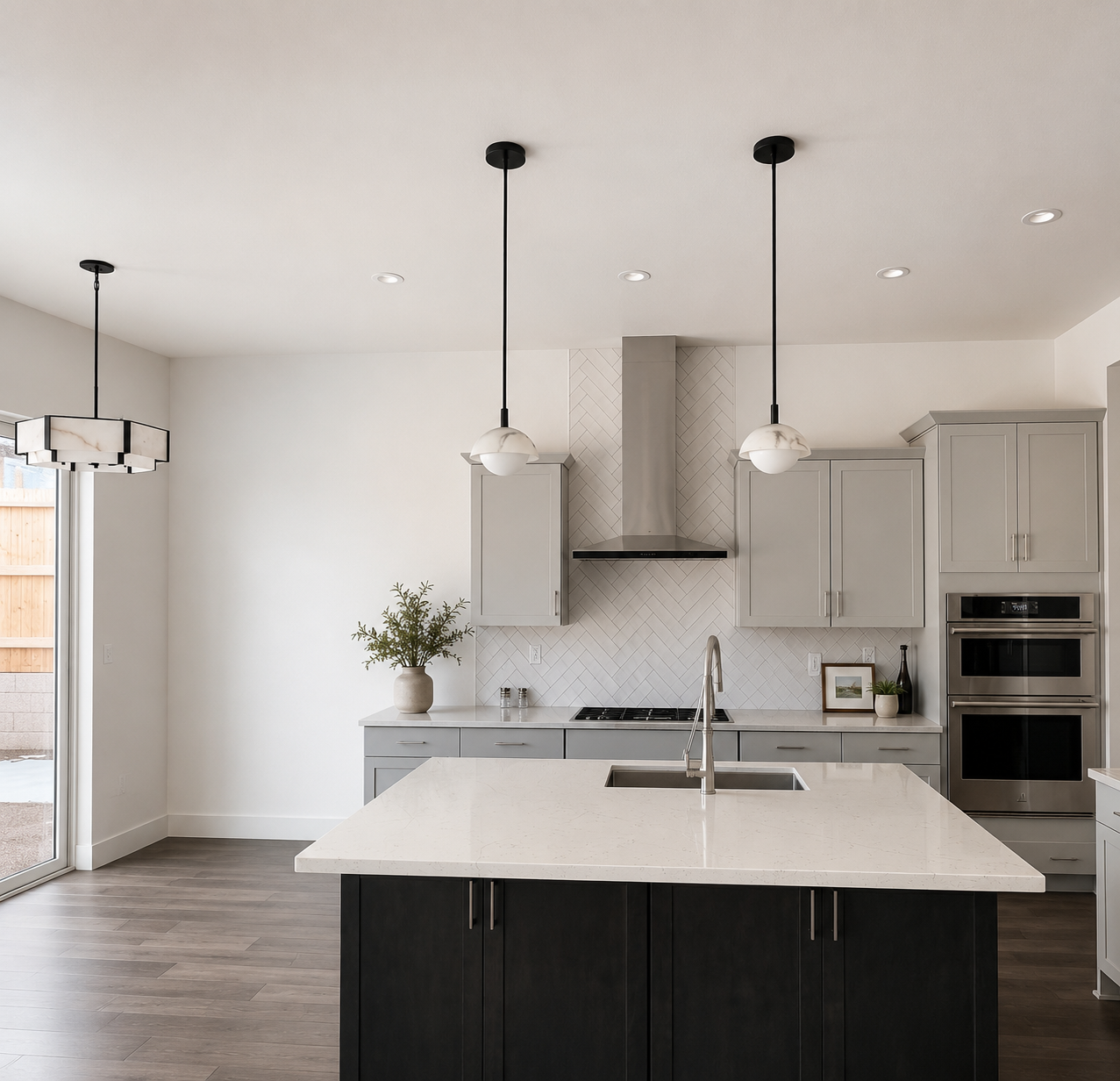
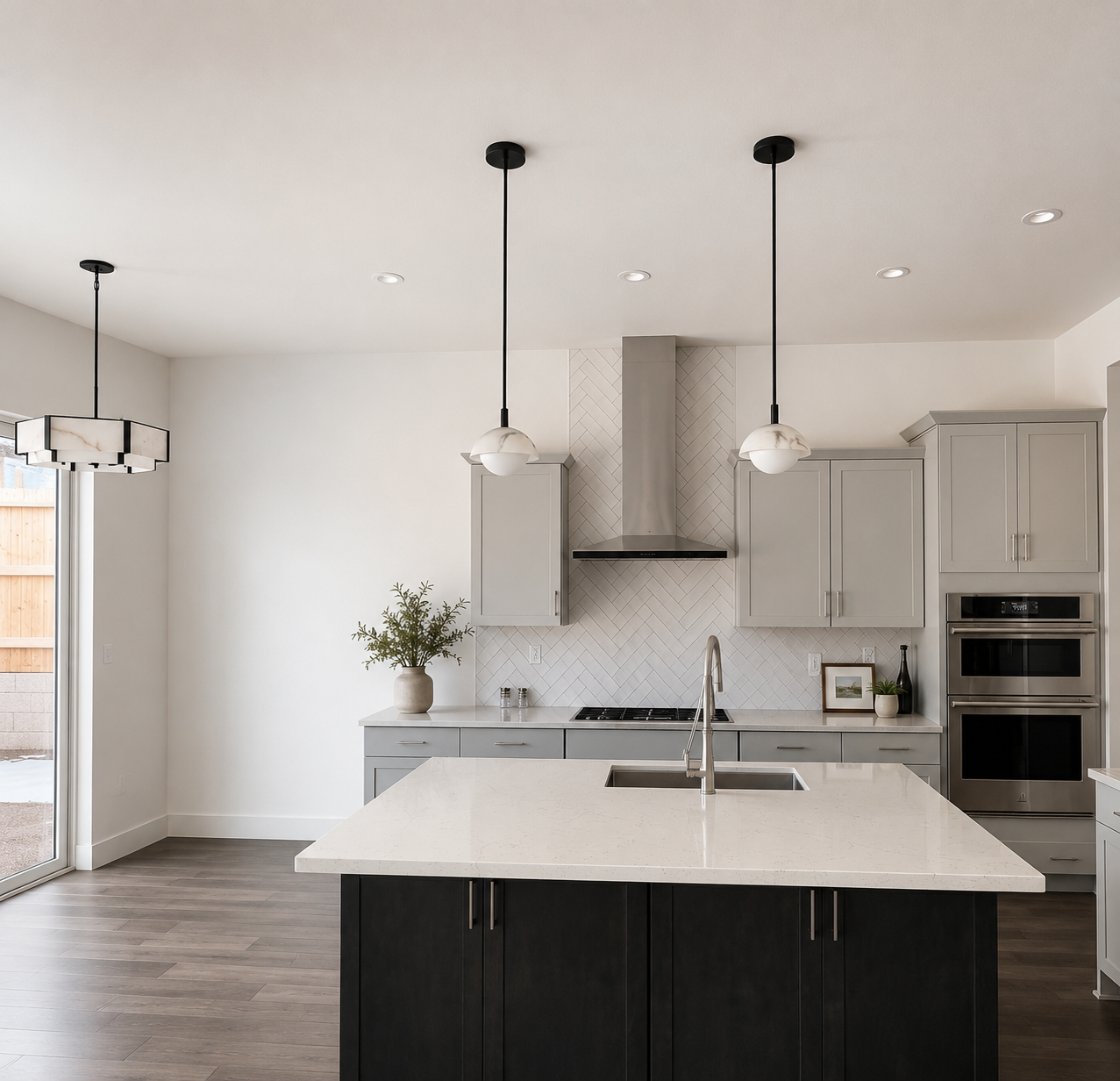
Yes. We can replace two, three, four, or every outdated fan and fixture in the house. Whole-home projects can be completed in one coordinated scope or divided into practical phases.
Can a ceiling fan replace my existing light fixture?
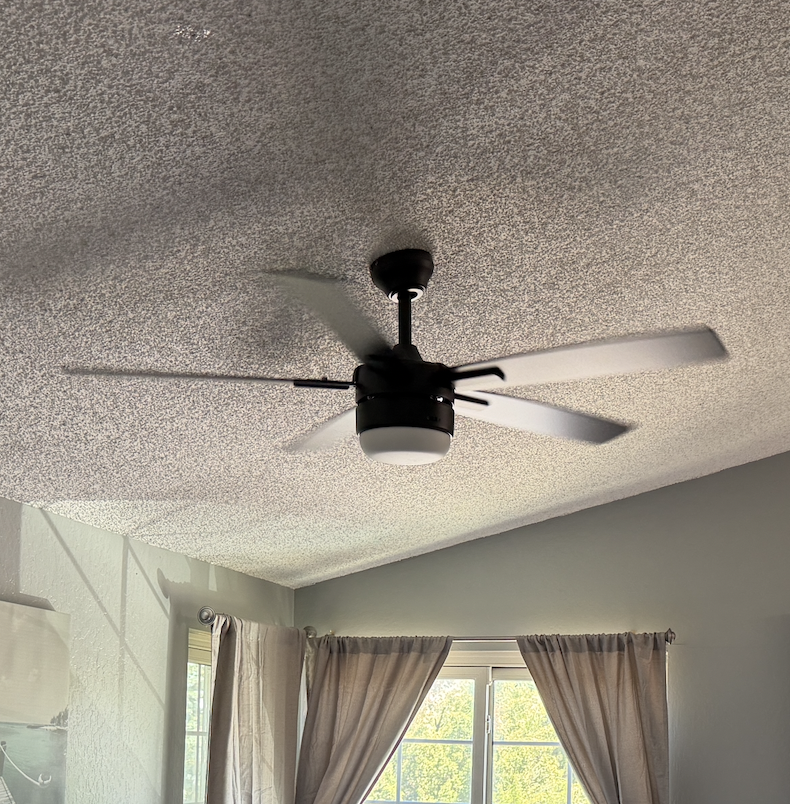
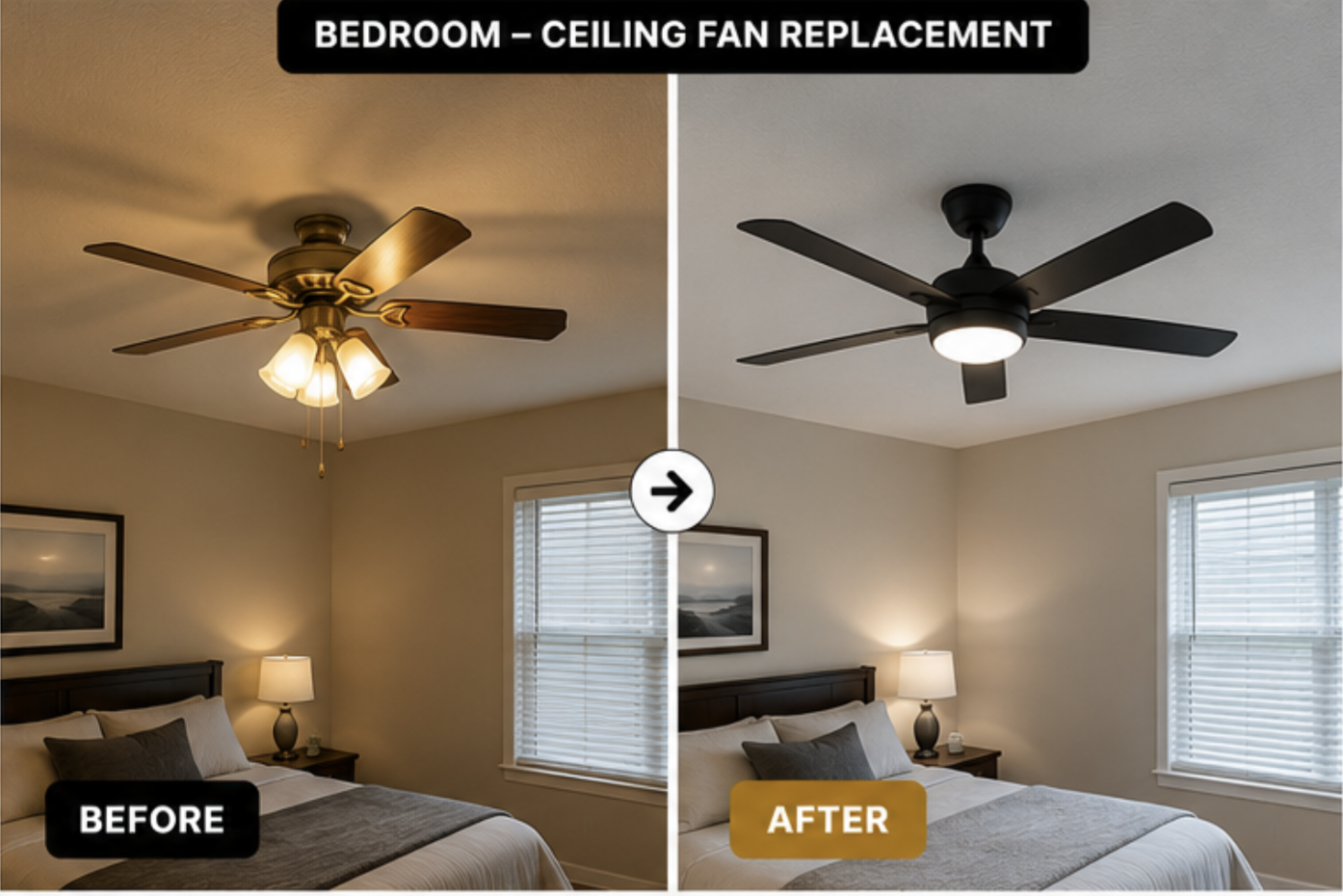
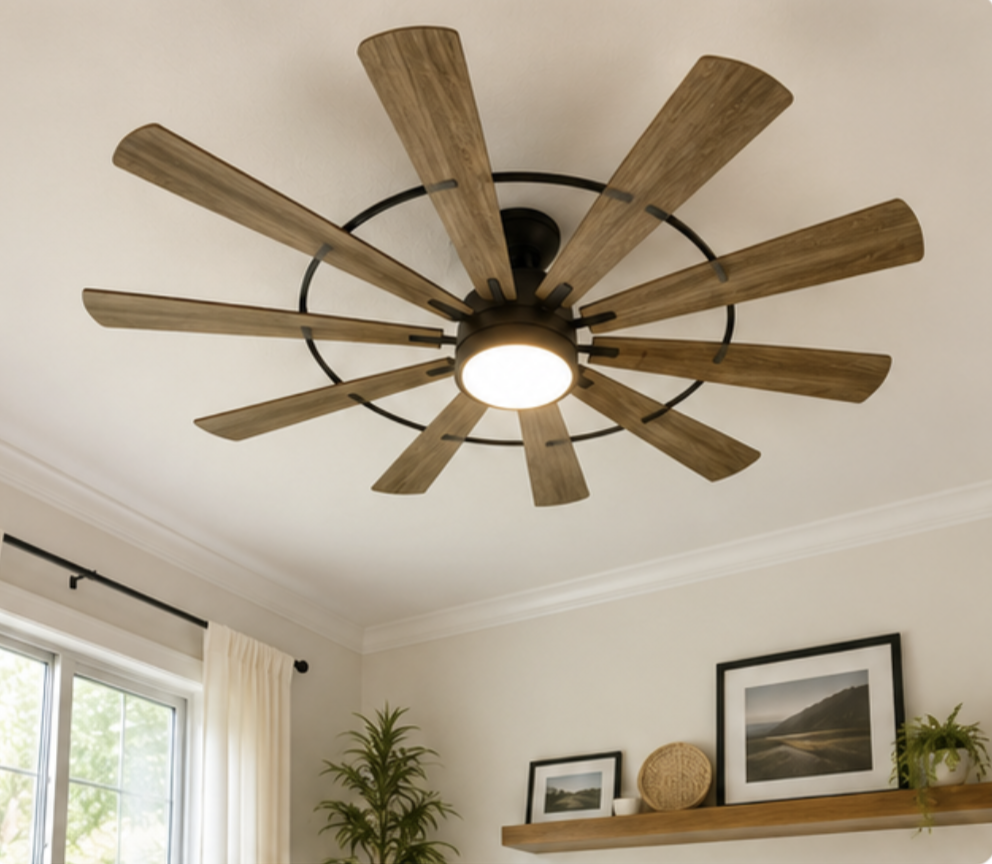
Often, yes. The existing wiring may be usable, but the ceiling box must be listed and securely supported for fan use. If the existing box is not fan-rated, we can replace or reinforce it before installing the fan.
Will my ceiling fan wobble or make noise?
A properly supported and assembled fan should operate smoothly. We verify the mounting, fan-rated support, hardware, blade condition, and balance during installation. Fan quality, ceiling slope, downrod length, and damaged blades can also affect performance.
Can you install a ceiling fan on a vaulted or sloped ceiling?
Yes, when the fan is compatible with the ceiling angle and the correct slope adapter or downrod is available. We review the ceiling height, pitch, fan specifications, and safe working access before installation.
Can the fan and light be controlled separately?
Sometimes. Separate wall controls may require additional conductors between the switch and fan. Many modern fans also use remote or smart controls. We review the existing wiring and explain the practical control options for the selected fan.
Can I use an indoor fan on a covered patio?
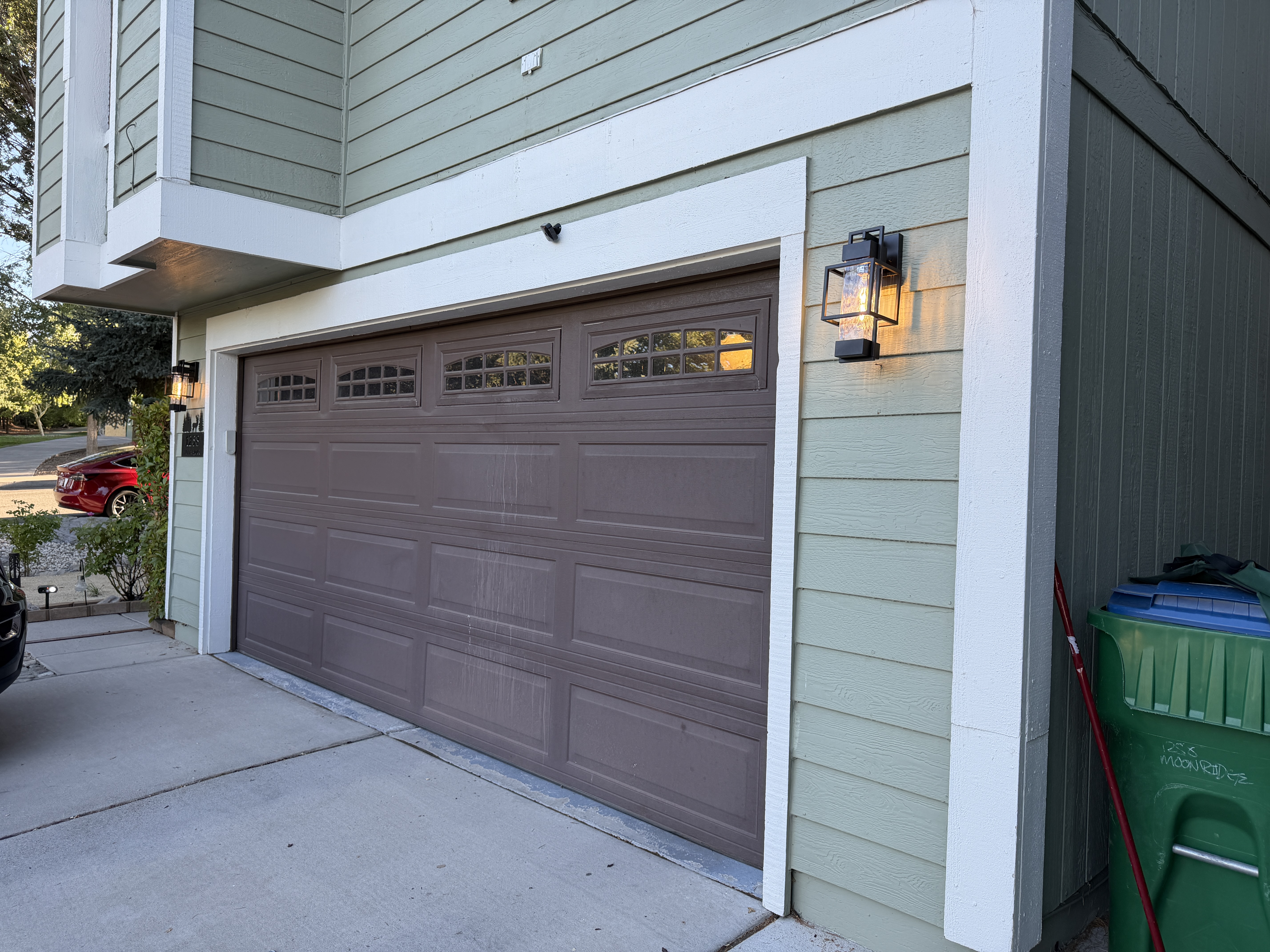
The fan should be listed for the environment where it will be installed. Damp-rated or wet-rated equipment is typically selected for covered patios and exposed outdoor locations because indoor-only equipment may not tolerate moisture and temperature changes.
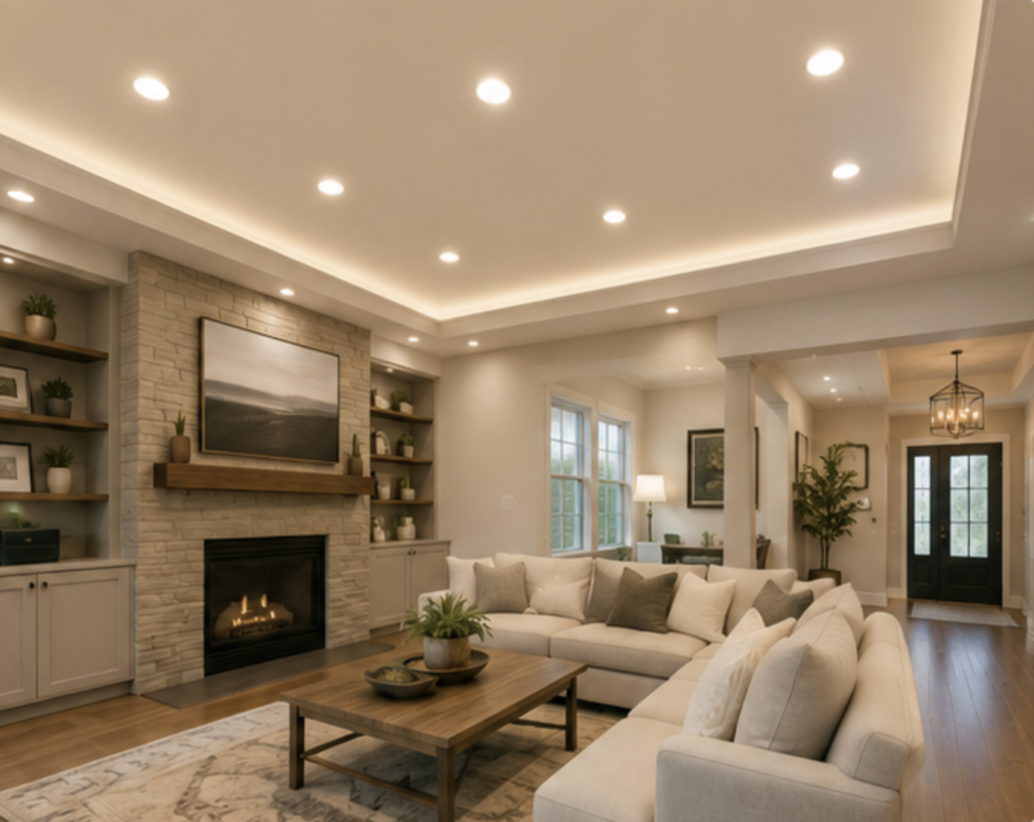
Can recessed lighting be added without damaging my ceiling?
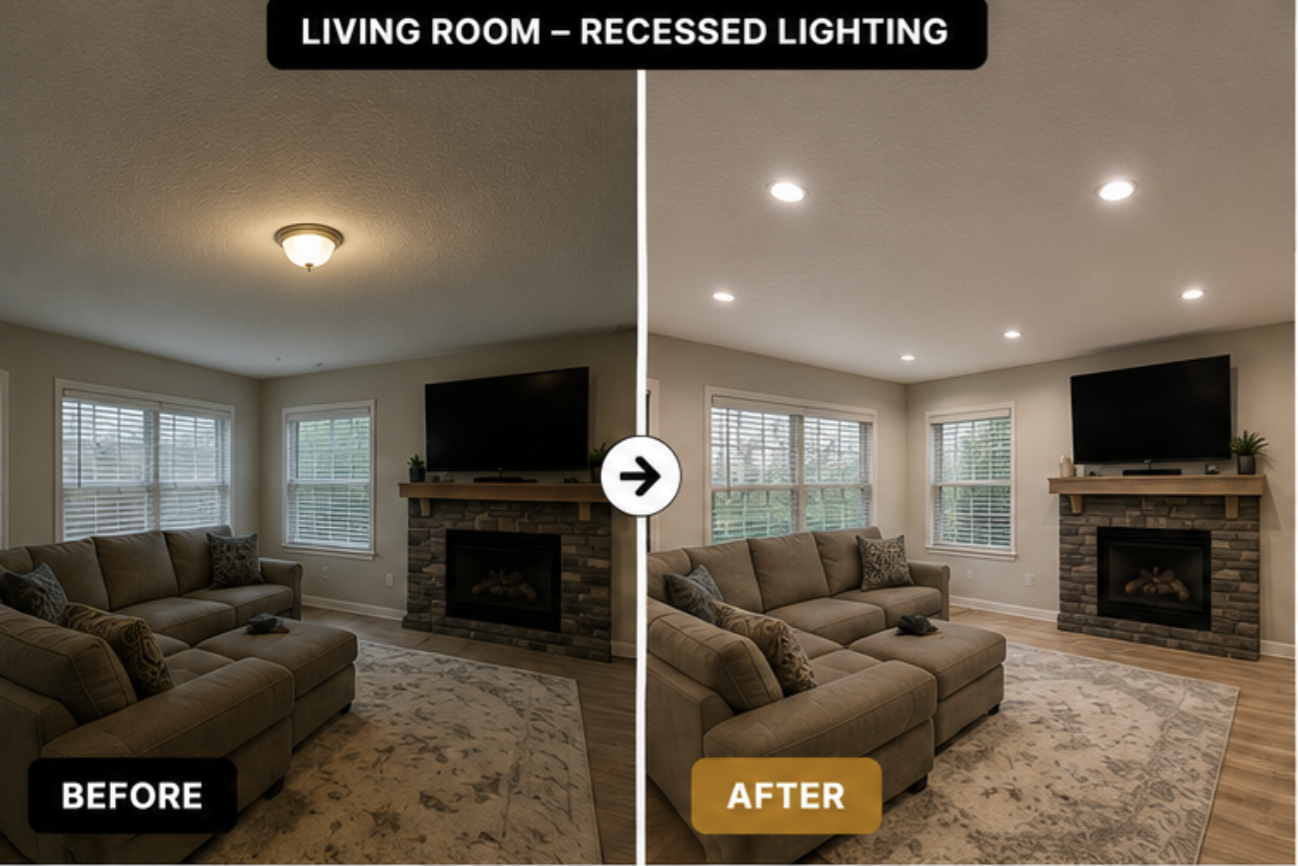
Often, modern wafer-style fixtures allow a clean installation with limited ceiling openings. The amount of drywall disturbance depends on framing, insulation, fire blocking, wiring access, switch location, and the route between fixtures.
Will recessed lights be safe around insulation?
The exact fixture must be listed for the intended installation. We review the fixture rating, insulation contact, ceiling construction, available depth, and manufacturer instructions before installation.
Why do my LED lights flicker?
Possible causes include an incompatible dimmer, a failing LED driver, loose connections, shared-neutral issues, voltage fluctuations, or the fixture itself. Troubleshooting helps identify the actual cause before parts are replaced.
Why do my LED lights glow when the switch is off?
Some LED fixtures react to small amounts of current passing through certain dimmers, smart switches, illuminated switches, or control electronics. The switch, wiring, fixture, and compatibility should be evaluated before choosing a correction.
What light color should I choose?
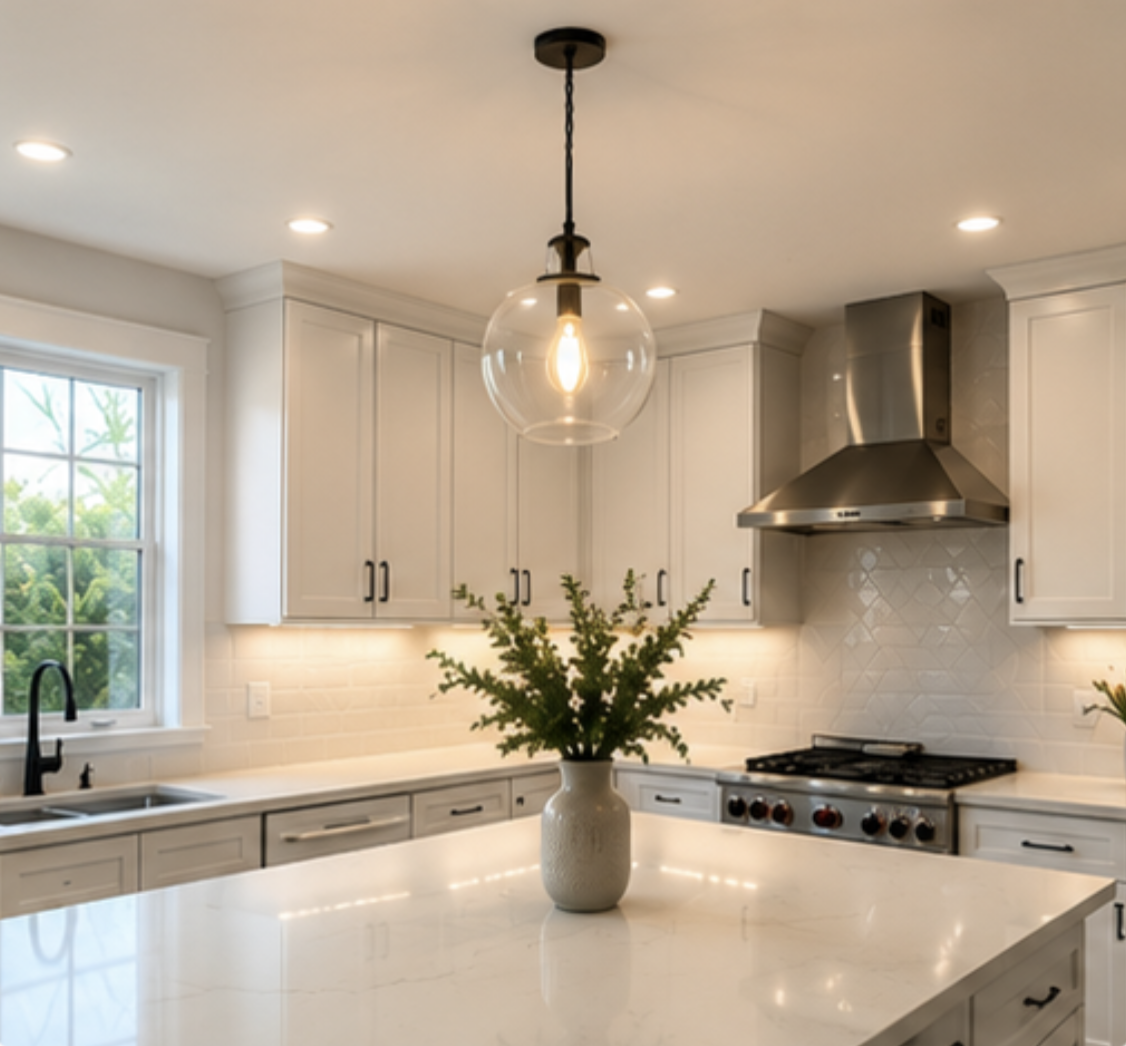
Warm white around 2700K to 3000K is popular for bedrooms, living rooms, and dining areas. Neutral white around 3500K works well in many mixed-use spaces. Brighter white around 4000K is often chosen for kitchens, bathrooms, garages, and utility areas.
Is it normal for a dimmer switch to feel warm?
Some dimmers may operate warmer than a standard switch, especially under heavier loads. A switch that is unusually hot, discolored, buzzing, or producing an odor should be turned off and evaluated.
Can you install smart switches and dimmers?
Yes, when the device is compatible with the circuit, lighting load, available wiring, box space, and control method. Some smart switches require a neutral conductor or specific wiring configuration.
Will I need a panel upgrade just to add lighting?
Usually not. Most lighting projects add a relatively modest load, but panel space, circuit condition, existing loading, and the overall project scope still need to be reviewed. A full panel upgrade is not automatically required.
How much does lighting or ceiling fan installation cost?
Pricing depends on whether the work is a simple replacement or a new location, the number of fixtures, ceiling height, framing, attic or crawlspace access, wiring route, switch work, fixture assembly, and any drywall openings or specialty access equipment.
Do you handle permits and inspections?
When permits or inspections are required, Surge Electric handles the contractor-side process and identifies the applicable scope in the proposal.